ONDA Body Sculpting in Korea: What to Expect from the Non-Invasive Fat Reduction Treatment
ONDA treatment Korea is a non-invasive body contouring procedure that uses microwaves to selectively heat and destroy fat cells beneath the skin. The device delivers focused energy to the target area, which is then naturally eliminated by the body over the following weeks. Each session ONDA lifting seoul typically takes under an hour, and multiple treatments are recommended for optimal results. ONDA treatment Korea offers a painless alternative to liposuction, with minimal downtime and gradual, yet noticeable, fat reduction.
What Exactly Is ONDA and Why Is It Different from Other Skin Tightening Tech?
ONDA is a microwave-based skin tightening system that works by delivering controlled heat deep into the dermis while cooling the surface, which is a major departure from ultrasound or RF devices. In Korea, it’s often called the “no-downtime laxity fix” because it targets the deep fat layer and collagen simultaneously, not just surface tissue like many HIFU or monopolar RF machines. The key trick is its wavelength—it heats from the inside out, which means you get immediate contraction and long-term collagen remodeling without the sharp pain or post-procedure swelling commonly tied to Korean tightening clinics.
Unlike most tech that treats skin in layers, ONDA treats the whole tissue volume at once, so results feel structural, not just superficial.
For someone in Seoul busy with a packed schedule, that means a single session can address sagging cheeks and jawline without looking “done” the next day.

Understanding the Microwave-Based Mechanism Behind the Procedure
Unlike lasers or RF that heat from the surface down, ONDA’s core innovation lies in its microwave-based mechanism, which bypasses the epidermis entirely. The procedure uses a focused 2.45 GHz microwave beam that selectively targets the deep dermis and subcutaneous fat, where water molecules are rapidly agitated. This dielectric heating creates a controlled, volumetric thermal response—reaching 70°C in the target zone—while a simultaneous cooling system keeps your skin’s outer layer safe at around 15°C. What makes this distinct is the precision: the microwaves’ wavelength is tuned to penetrate 2–4 mm below the surface, instantly coagulating collagen fibers and triggering immediate contraction plus long-term neocollagenesis. Because the energy doesn’t scatter across tissue layers, you get a tighter, more structural lift in a single session.
How It Compares to RF, HIFU, and Laser Alternatives in Terms of Comfort
Compared to RF, HIFU, and laser alternatives, ONDA’s comfort advantage stems from its cooled, bulk-heating mechanism rather than surface ablation. Unlike HIFU’s pinpoint thermal spikes or fractional lasers’ epidermal stinging, ONDA’s wave energy bypasses the top skin layer, so you feel only a deep, warm sensation—not sharp pricks or burning. RF devices often require aggressive contact to reach deeper dermal layers, which can feel uncomfortably hot; ONDA’s controlled cooling keeps your skin’s surface at a soothing temperature throughout. This makes the procedure notably less painful than laser’s rubber-band snaps and HIFU’s cramping pulses. You typically experience a mild, tolerable warmth that fades within minutes post-treatment, with no need for numbing cream. ONDA delivers a markedly gentler comfort profile than RF, HIFU, or lasers. In practice, the comfort level follows a clear sequence:
- Initial contact feels cool due to integrated cooling.
- Deep heating builds gradually, not abruptly.
- Sensation peaks at a warm pressure, never sharp pain.
- Post-session residue is minimal, only light warmth.
How Should You Prepare for Your First ONDA Session in Korea?
Before your first ONDA treatment in Korea, schedule a thorough consultation to confirm your candidacy, as the clinic will assess skin laxity and fat distribution. Prepare by avoiding blood-thinning medications, alcohol, and excessive sun exposure for at least one week prior. On the day, arrive with clean, makeup-free skin and wear comfortable clothing that allows easy access to the treatment area. ONDA treatment Korea typically requires no anesthesia, but you may request a topical numbing cream if you have low pain tolerance. Hydrate well in the 24 hours leading up to your session, as this improves skin elasticity and response. Finally, plan for mild redness and swelling post-session, so allocate a rest day and follow the clinic’s aftercare instructions strictly.
Pre-Treatment Skincare and Dietary Adjustments That Boost Results
To maximize your ONDA response in Korea, begin **pre-treatment skincare and dietary adjustments** at least one week prior. Focus on a gentle, hydrating routine—avoid retinoids, acids, and physical exfoliants that compromise the skin barrier. Boost skin resilience with ceramide-based moisturizers and daily SPF, as photo-sensitive skin is more prone to post-procedure irritation. Dietarily, increase water intake and consume anti-inflammatory foods like leafy greens and salmon, while reducing sugar, alcohol, and caffeine, which promote swelling. These steps directly enhance collagen stimulation efficiency and shorten recovery downtime.
- Stop active ingredients (AHA/BHA/retinol) 7 days before.
- Hydrate internally with 2+ liters of water daily.
- Add vitamin C-rich foods to support collagen synthesis.
- Avoid salty meals 48 hours prior to minimize fluid retention.

What to Ask Your Korean Clinic Consultant Before the Device Is Turned On
Before the ONDA device is turned on, ask your Korean clinic consultant to clarify the exact energy level planned for your skin type, since settings directly affect comfort and outcome. Inquire about the cooling system’s activation timing and whether you’ll feel heat or only cold during the first pass. Request a step-by-step explanation of what happens in the first 30 seconds, including when the probe touches your skin and when energy ramps up. Confirm whether the consultant or a doctor adjusts the settings mid-session, as this determines who can respond to your feedback. Ask about the expected sensation threshold—should you signal discomfort immediately or wait for a countdown? Finally, clarify if numbing cream or pain medication was applied, and whether the device’s handpiece will be sterilized in front of you.
- Ask for the starting joule value and how it will be increased.
- Ask how many passes will be done on each zone.
- Ask what verbal cue you should use for a pause.
What Does the ONDA Procedure Feel Like, and How Long Does Each Session Take?
Sitting in a sleek Gangnam clinic, the ONDA probe glides over your skin with a cooling, tingling sensation, punctuated by brief, warm pulses—like a hot stone being pressed and released. There’s no needle, no numbing cream, just a rhythmic vibration that feels oddly satisfying. Each ONDA session in Korea lasts exactly 20 to 30 minutes, depending on whether you’re targeting the jawline, abdomen, or arms. You’ll hear a faint clicking as the nanofractional radiofrequency works beneath the surface, but you feel only a cozy heat building, never pain. By the time you sit up, your skin is flushed, slightly dewy, and you’re already booking your next visit—because the whole process is so gentle that you’ll forget you were even treated.
Managing Sensation Expectations: From Cooling to Controlled Heat
During an ONDA session in Korea, you first feel a distinct cooling sensation as the tip contacts skin, which numbs the surface and prevents discomfort. Within seconds, this shifts to a deep, controlled heat that builds gradually—never a sharp burn—as energy penetrates the dermis. Clinics calibrate power in real time, so the heat stays tolerable, like a warm compress, not a scorch. You can signal any spike in intensity, and the practitioner adjusts immediately. This staged transition prevents shock and keeps you relaxed. **Managing sensation expectations** means knowing the cool phase is brief, and the heat phase peaks for only 10–20 seconds per pulse.
Q: Will the controlled heat feel unbearable at any point?
No—the device’s cooling cycle runs continuously alongside the heat pulse, so your skin’s surface remains chilled even while deeper layers warm. This dual-action feedback makes the experience more comfortable than most laser or RF treatments.
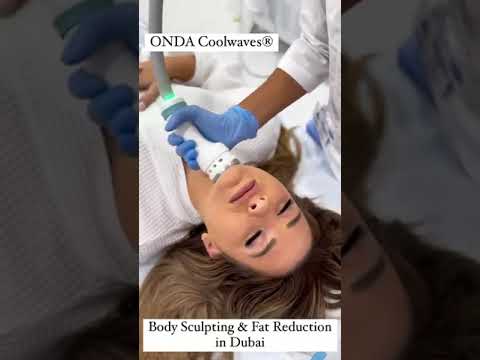
Typical Session Timelines for Face, Neck, and Body Areas
For facial areas, a single ONDA session typically lasts 30 to 40 minutes, with the device focused on the dermis layer to tighten skin without downtime. Neck treatments are slightly shorter, usually 20 to 30 minutes, because the anatomical area is smaller and requires lower energy delivery to avoid sensitive structures. Body areas, such as the abdomen or thighs, extend to 45–60 minutes per session due to larger surface coverage and thicker subcutaneous tissue. Most Korean clinics recommend a series of three sessions spaced three to four weeks apart, with each appointment following this same time block. While facial sessions yield noticeable tightening within one visit, body areas often require the full series before collagen remodeling becomes visible. The timeline also includes 10–15 minutes of cooling preparation before the actual radiofrequency delivery.
- Face: 30–40 minutes per session, no anesthesia needed.
- Neck: 20–30 minutes, with reduced energy intensity.
- Body (abdomen/thighs): 45–60 minutes, often requiring numbing cream.
- Total series: three visits over 9–12 weeks.
Session timelines for face, neck, and body areas remain consistent across Korean clinics, though body treatments may add 15 extra minutes for post-procedure massage.
How Many Sessions Do You Really Need, and How Fast Will You See Fat Reduction?
For ONDA treatment in Korea, most patients need **two to three sessions** spaced three to four weeks apart to achieve visibly significant fat reduction. The body’s natural inflammatory response and lymphatic drainage take time, so don’t expect instant results—you’ll typically notice the first measurable contour change around **three weeks post-initial session**, with full outcomes maturing by week ten. Because ONDA uses precise microwave energy to target deep adipose tissue without damaging skin, Korean clinics often see cumulative effects where each session builds on the last, meaning the final difference after the third visit is dramatically more pronounced than after the first. *What feels like a slow start is actually your body safely metabolizing disrupted fat cells, which is why rushing sessions or expecting overnight loss leads to disappointment.* If you’re after meaningful, lasting slimming in the abdominal or thigh area, commit to the full recommended cycle rather than stopping after one treatment—your mirrored results will prove the necessity.
Reading Your Skin’s Response: Immediate Tightening vs. Gradual Volume Loss
During ONDA treatment in Korea, your skin’s immediate response—a subtle, warm tightening—reflects collagen contraction in the dermis, not fat reduction. This sensation appears within minutes and peaks over 48 hours, offering a temporary firmness that can mislead you into expecting rapid volume loss. In contrast, gradual volume loss from adipocyte disruption unfolds over 3–6 weeks, as your lymphatic system clears destroyed fat cells; you’ll notice this as a softening of contours, not a sudden pinch. *Distinguishing these timelines prevents you from judging session efficacy too early, since tightening fades while true fat reduction compounds slowly.* Monitor weekly: if skin feels snug but measurements hold steady, you’re only seeing the fibrous response, not metabolic clearance. Only after the third week does a visible slimming confirm the delayed lipolytic cascade is underway.
Crafting a Practical Treatment Schedule for Your Busy Korea Itinerary

Mapping your ONDA sessions around Seoul’s chaos is all about stacking treatments on your least sightseeing-heavy days. Book your first session right after arrival, when jet lag keeps you indoors anyway, then space the next two every 48–72 hours—enough time for mild redness to fade before you hit the palaces. For a 5-day trip, squeeze in three sessions on days 1, 3, and 5, using the final one as a quick top-up before flying home. If you’re staying longer:
- Schedule two sessions in week one (e.g., Monday and Thursday).
- Rest completely on the day after each—skip hiking Namsan.
- Return for a third session exactly 10–14 days later, aligning it with a free morning before your last shopping run.

Always book late-afternoon slots so any swelling fades overnight, and leave one buffer day with zero plans after your final treatment—you’ll still catch sunrise at Gyeongbokgung, just with slower steps.
What Immediate Aftercare Steps Protect Your Skin and Maximize the Outcome?
Immediately after your **ONDA treatment in Korea**, your skin is primed for regeneration, so the first 24 hours dictate your final glow. The clinic will apply a cooling gel pack to calm thermal buildup, but your critical step is sunless protection—skip makeup and active serums, instead layering a thick, ceramide-rich barrier cream. For the next three days, use only lukewarm water and a gentle cleanser; avoid any sauna, steam, or intense workout that triggers sweating, as this can irritate micro-inflamed dermal layers. Reapply broad-spectrum SPF 50+ every two hours, even indoors, since ONDA’s deep heating makes skin temporarily photosensitive. Korean dermatologists also recommend sleeping on a fresh silk pillowcase and drinking extra water to support lymphatic drainage. These immediate, disciplined moves lock in collagen remodeling and prevent post-inflammatory pigmentation, ensuring your ONDA results appear smoother and tighter within the first week.
Essential Post-Treatment Do’s and Don’ts for the First 48 Hours
For the first 48 hours post-ONDA treatment in Korea, the priority is minimizing thermal stress and guaranteeing unbroken barrier recovery. Do apply a soothing, ceramide-rich ointment immediately and continue reapplication every few hours to prevent transepidermal water loss. Don’t introduce active ingredients like retinoids or acids, as they amplify inflammation and risk pigmentation. Do use cold compresses for the first six hours if edema appears, but only via sterile gauze to avoid secondary infection. Strict sun avoidance is non-negotiable during this window. Don’t wash your face with tap water; use only sterile saline or a gentle mist. Also, avoid any steam baths, saunas, or vigorous exercise that induces sweating, as trapped heat compromises the micro-injury healing cascade.
- Don’t touch or pick at any micro-crusts; let them detach naturally.
- Do sleep on a clean, silk or satin pillowcase to reduce friction.
- Don’t apply makeup or sunscreen with chemical filters until the skin’s pH normalizes.
- Do keep a scheduled hydration routine with topical growth factors if approved by your clinician.
Which Skincare Ingredients to Use (and Avoid) After ONDA in Seoul’s Dry Climate
Right after ONDA in Seoul’s famously dry air, your barrier is screaming for **humectants and ceramide-rich moisturizers**—think hyaluronic acid, glycerin, and skinceuticals-style triple lipid creams to lock in hydration. Skip actives like retinol, AHAs/BHAs, and vitamin C for at least five to seven days; they’ll sting and worsen flaking. Also avoid harsh foaming cleansers, alcohol-based toners, and any “brightening” acids. Instead, lean on panthenol, centella Asiatica, and squalane to soothe heat and redness. In Seoul’s low humidity, a layer of occlusive like shea butter or cica balm is your best friend—it traps moisture and prevents transepidermal water loss while your skin rebuilds.
Post-ONDA in Seoul’s dry climate: use humectants (hyaluronic acid, glycerin), ceramides, panthenol, and occlusive balms; avoid retinol, acids, vitamin C, and alcohol-based products for up to a week.
How to Choose the Right ONDA Provider and Freckle-Free Follow-Up Plan?
Choosing the right ONDA provider in Korea starts with scanning for clinics that prioritize skin-depth diagnostics over cookie-cutter sales pitches—ask to see their actual ONDA treatment Korea protocol and how they customize microwave energy for your specific dermis thickness. A trustworthy clinic will show you before-and-after photos of their own patients, not stock images, and will explain that freckle-free follow-up isn’t just about the first session. Your plan must include a strict timeline: schedule your maintenance pass at week six, when collagen remodeling peaks, and request a tailored home-care routine using only mineral SPF and gentle tranexamic acid. Avoid providers who promise zero downtime without discussing your skin’s reactivity to heat, and instead choose one who maps your melanin distribution and adjusts the cooling cycle accordingly—this single step separates glowing results from post-inflammatory pigmentation nightmares.
Key Machine Settings and Certification Checks to Verify at the Clinic
Before committing to treatment, verify that the clinic operates the **original ONDA device with its certified microwave frequency settings**—typically 2.45 GHz—and that the practitioner calibrates energy delivery based on your skin thickness and target depth. Ask to see the machine’s recent calibration log and confirm the handpiece is factory-sealed. Confirm the clinic’s技术人员 holds a valid ONDA device certification from the manufacturer, and request a patch test at low fluence to check your tolerance. Ensure the displayed settings (power, pulse duration, cooling level) match your customized plan before each pass.
- Ask for the machine’s serial number and cross-check it with ONDA’s official registry.
- Verify the cooling system is active during every pulse to prevent burns.
- Request a printed session report showing exact Joules and frequency used.
Combining ONDA with Other Non-Invasive Treatments for a Full Facial Recontouring Effect
For a complete facial recontouring effect in Korea, pair ONDA’s deep dermal heating with complementary non-invasive modalities like HIFU for brow lifting, focused ultrasound for SMAS tightening, or fractional RF for fine-line remodeling. This layered approach lets ONDA target fat volume while your provider simultaneously addresses skin laxity and collagen density, creating a synchronized contraction across all facial planes. Because ONDA works below the dermis without epidermal damage, it sequences safely with cooling-based fat reduction or microneedling in the same session. The result is a sharper jawline and lifted cheeks that single-device treatment cannot achieve alone.
Optimized ONDA combination protocols in Korean clinics typically include:
- ONDA for submental fat plus HIFU for deep SMAS repositioning.
- ONDA on the lower face with fractional RF for perioral wrinkle correction.
- ONDA for buccal fat reduction followed by cryolipolysis on the jowls.
- ONDA plus botulinum toxin for masseter slimming and contour balance.
How Much Does ONDA Cost in Korea, and What Determines the Price You Pay?
In Korea, a single ONDA treatment session typically costs between ₩150,000 and ₩300,000, though package deals often reduce the per-session price to around ₩100,000–₩200,000. The price you pay is determined by the clinic’s location—Gangnam clinics charge a premium—the practitioner’s experience, and the specific body area treated, as larger zones like the abdomen or thighs require more energy pulses and time. Multiple sessions are usually required for visible fat reduction, so clinics discount 3–5 session packages significantly, dropping the per-session cost by up to 40%. Additionally, whether you combine ONDA with other procedures, such as liposuction or skin tightening, directly affects the final quote, as bundled treatments often receive a negotiated flat fee rather than itemized pricing.
Understanding Real Pricing Tiers for Face, Submental, and Body Applications
When you’re looking at ONDA in Korea, you’ll notice that pricing isn’t one flat number—it shifts by treatment zone. For the face (cheeks, jawline, forehead), clinics typically charge per session, and because the area is smaller, you’re looking at the lower end of the tier, often bundled into packages. Submental, meaning the area under your chin, sits in a middle tier; it requires a more focused handpiece and longer energy delivery, so expect a slight premium over facial-only work. Body applications—like the abdomen, arms, or thighs—are the most expensive tier because they demand more passes, higher total energy, and extended room time. Understanding real pricing tiers for face, submental, and body applications means checking if the quote covers one zone or multiple, since some clinics offer combo discounts. A clear sequence to compare costs: first, ask for the per-zone base rate; second, confirm how many sessions that rate assumes; third, request the price for overlapping zones (e.g., face + submental) as a single package. Surprisingly, a full-face session can cost less than a submental-only treatment because the chin’s contouring needs precise, slower scanning. Always verify whether the quoted tier is per area or per total energy used, as that changes your final bill dramatically.
Red Flags in Discounted Packages and How to Spot a Value-Add Deal
When evaluating ONDA treatment costs in Korea, deeply discounted packages often hide red flags like hidden session caps, diluted energy settings, or rushed 10-minute appointments that reduce efficacy. A suspiciously low price per session usually means the clinic is offsetting costs by using fewer passes over the target area or skipping anesthesia. To spot a value-add deal, verify the total number of delivered pulses, ask for a written protocol specifying device parameters, and confirm the same physician performs every session. Genuine value adds include complimentary skin cooling, post-care products, or a follow-up assessment—not just a lower sticker price. Transparent session breakdowns separate real bargains from bait-and-switch discounts.
Q: What is the most reliable way to spot a value-add ONDA package versus a red-flag discount?
A: Request the exact device settings (frequency, energy level, and pulse count) in writing before booking; legitimate clinics readily share these, while discount-only offers typically deflect or keep them vague.